


Spotting Truth in Private Used Car Listings
Shopping private used car listings in late spring or early summer feels tempting. The weather is nice, road trips are calling, and it seems like the perfect time to grab a new-to-you ride. However, scrolling through page after page of shiny photos and short descriptions can also feel stressful and a little risky.
A listing can look great on your screen while hiding big problems in real life. That can lead to overpaying, dealing with unsafe repairs, or getting stuck in messy title trouble at the DMV. Our goal is to help you read those ads with clear eyes so you can sort the good deals from the headaches quickly.
We will walk through how to read between the lines of listings, confirm the real condition of the car, check the history behind the VIN, and spot common scams. We will also show how tools like secure messaging, identity checks, instant payment, and guided paperwork can make private sales feel a lot simpler and safer.
Reading Between the Lines of Car Listing Language
Private used car listings often rely on code words. For example, when a seller says “Needs TLC,” it usually means it needs work right away, not someday. “Runs great” can sound reassuring, but it says nothing about leaks, warning lights, or worn parts. “As is” means there are no promises at all and you are taking the car with every problem it has. “Priced to sell” can mean the seller expects offers, but it might also be used to distract from an issue. “Must go today” is often a pressure tactic, sometimes used to rush you past red flags, and “Just needs a tune-up” could be a small fix or a sign of deeper engine trouble.
The words can be tricky, but what is missing from the listing can be even more telling. Watch for quick warning signs like:
- No VIN listed
- Mileage not mentioned or “low miles” with no exact number
- No talk about maintenance or repairs
- No title details, like if it is clean, salvage, or rebuilt
- Only a few photos or no interior photos at all
When key facts are skipped, it often means the seller does not want to draw attention to them. Before you spend time driving across town, use a simple pre-contact checklist: message the seller and confirm the details below.
- Exact year, make, model, and trim
- Current mileage from the dash
- Title type, clean or branded
- Number of owners they know of
- Any known accidents or major repairs
- Whether they have service records or receipts
If a seller will not answer basic questions, that is a sign to move on.
Verifying Condition Beyond Polished Photos
Pretty photos can hide a lot. A car shot at night in a parking lot can make faded paint or dents harder to see. Heavy filters can smooth out scratches and rust. Tight close-ups might show only the good angles while hiding a torn seat or cracked windshield.
Before you agree to meet, ask the seller for clear photos taken in daylight, including:
- Front, back, and both sides of the car
- Close-ups of each wheel and tire tread
- Dashboard with the car on, clearly showing mileage and any warning lights
- VIN plate or sticker
- Any visible damage, inside or out
- Photos of maintenance records, if they have them
Once you set up a meeting, have a simple plan for a walk-around. You do not need to be a pro to spot basic warning signs. Look for leaks or fresh puddles under the car, uneven tire wear that might point to alignment or suspension issues, and misaligned body panels or color differences that can suggest past repairs. Also test basic functions like lights, signals, windows, and locks, because small electrical problems can be a clue that the car has not been cared for.
It is still smart to bring in a trusted mechanic for a full pre-purchase inspection. A short test drive and a quick look under the hood often will not reveal hidden damage. Using a platform that lets you message within the app, set up meetings, and keep your personal info more private can help you line up test drives and inspections with less stress.
Using Vehicle History and Data to Confirm the Story
A good-looking car with a sweet description can still have a rough past. That is why every serious buyer should run the VIN through reliable history tools and state records when possible. These checks help confirm:
- Title status, clean or branded
- Odometer readings over time
- Registration history in different states
- Any reported accidents or flood damage
Then compare what the listing claims with what the data shows. Red flags can include mileage that does not match or jumps backward, a different color or trim listed in records than in the ad, many auction records in a short period of time, or several title transfers in a row. These patterns can hint that the car has been flipped multiple times, had major repairs, or was used in tough conditions.
A quick data checklist looks like this:
- Same VIN everywhere: ad, photos, and records
- No unwanted branded titles like salvage or flood, unless you are ready for that risk
- Any open recalls on the car
- Any sign of a lien that could block a clean sale
When you use a platform built for private sales, you add another layer of trust. Features like identity checks and structured workflows around the VIN can help confirm that the seller and the car match the story you are being told.
Spotting Scams and Staying Safe During the Sale
Some private used car listings are not just hiding mechanical problems, they are built to trick you. Common patterns include:
- Price far below other similar cars with no clear reason
- Seller pushing for a quick deposit to “hold” the car
- Claims that the seller is out of state or overseas and will ship the car to you
- Refusal to meet in a public, well-lit place
- Strange payment instructions or third-party “agents” handling the deal
If something feels off or rushed, trust that feeling. To keep yourself safer:
- Keep early conversations on a platform that supports identity verification
- Ask to see a driver’s license before test driving
- Meet in busy public areas, not remote spots
- Bring a friend when possible
Payment is a big risk area. Cash can be unsafe to carry. Wires and payment apps can expose you to scams or chargebacks. Checks can bounce. A better option is a secure, instant, bank-to-bank transfer that both sides can see as complete before keys or title change hands. That way you are not driving away wondering if the money will actually clear.
Confident Next Steps for Your Private Car Purchase
When we learn to decode private used car listings, we stop getting pulled in by shiny photos and vague praise. We look for what is said, what is not said, and how it matches real records and in-person checks.
A simple path can look like this:
- Shortlist cars that fit your needs and budget
- Read each ad closely and translate the code words
- Message the seller and get the missing details and extra photos
- Run the VIN and compare the story with the data
- Set up a safe meeting, inspection, and test drive
- Use secure, instant payment and guided paperwork to finish the deal
At PrivateAuto, we built our marketplace and app around these steps. We focus on verified identities, secure messaging, instant payments, and state-specific guidance so buyers and sellers can move through private sales with more confidence. When warm weather hits and you are ready for that road trip car, these habits can help you spot the right deal and drive away feeling good about it.
Find Your Ideal Car With Secure Private Listings
Browse our curated private used car listings and take the next step toward buying a vehicle on your own terms. We give you the tools to communicate, negotiate, and close the deal securely with real private sellers. If you have questions or need a hand at any point, simply contact us and we will help you move forward confidently. With PrivateAuto, you stay in control of every step.
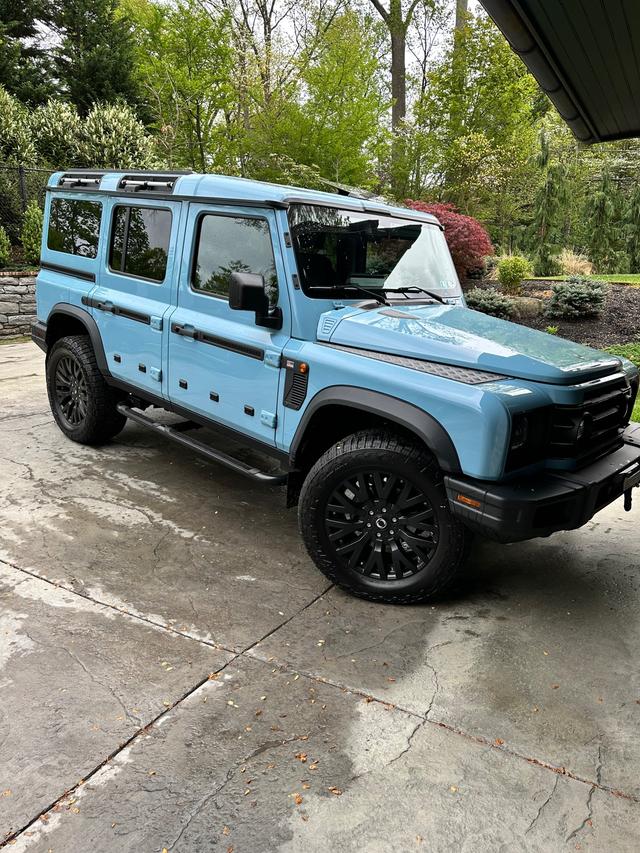
2024 INEOS Grenadier
Base • 3,300 miles
Ardmore, PA
$75,000

2024 INEOS Grenadier
Base • 4,200 miles
Bedford, VA
$74,000
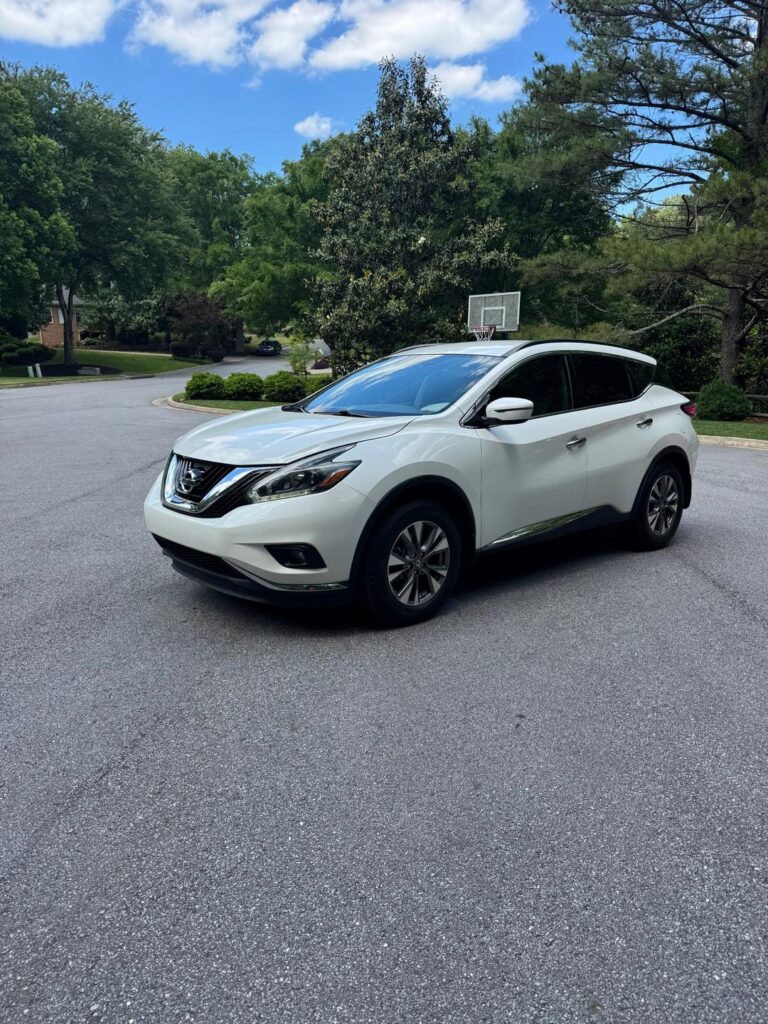
2018 Nissan Murano
Platinum • 78,500 miles
Atlanta, GA
$15,750
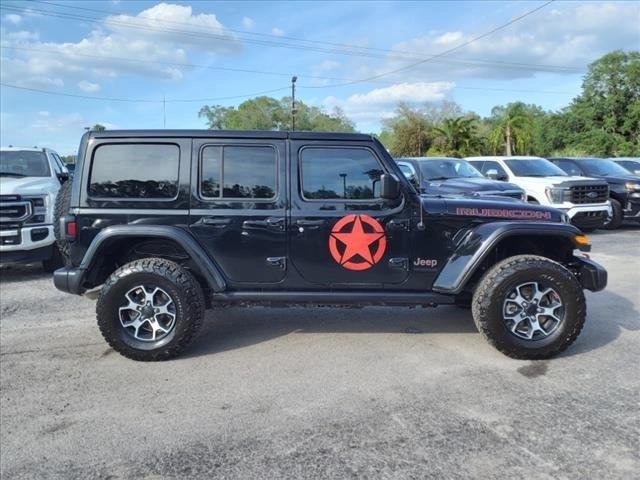
2022 Jeep Wrangler
Unlimited Ru • 41,235 miles
Ormond Beach, FL