

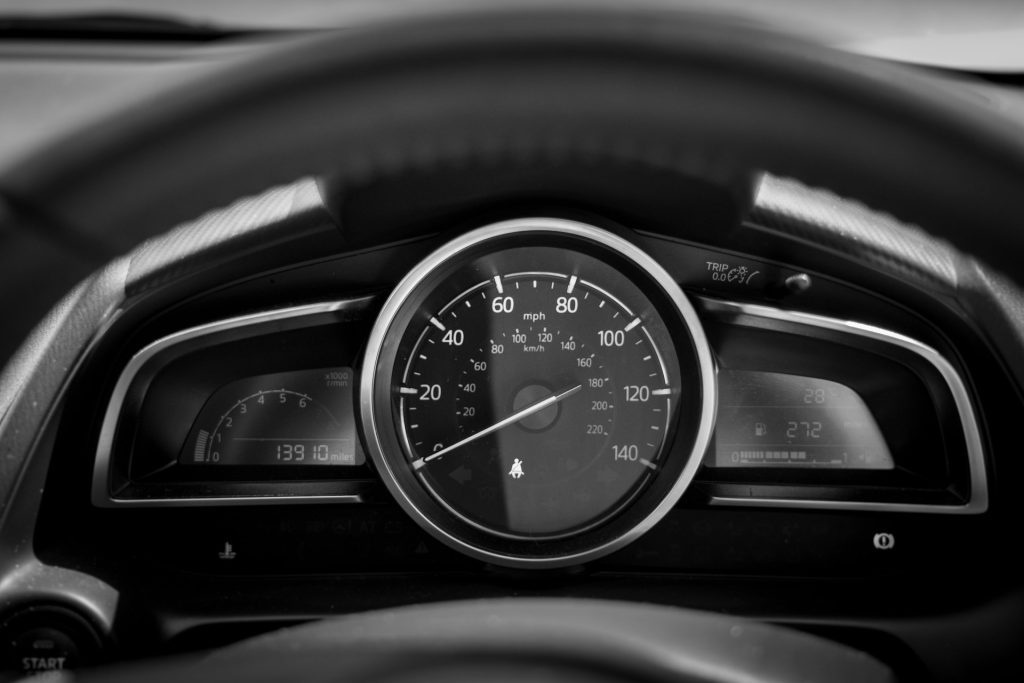
Mileage shows more than just how far a car has traveled. It’s often the first number people look at when deciding whether a used car is worth the price. The lower the mileage, the more appealing the car may seem, but there’s more to the story than the odometer reading.
Whether you’re buying or selling a car online, understanding what those miles really mean can help you avoid poor deals or missed chances. A well-maintained high-mileage car might actually be in better shape than a low-mileage one that’s been sitting still for long stretches. Knowing how mileage ties into overall value makes it easier to feel confident about your next move.
How Mileage Impacts Car Value
There’s a general idea that more miles equal less value, and that’s often true. As a car racks up miles, parts wear down. That means higher chances of repairs and more things to keep an eye on. But not all miles are the same. Highway miles are usually easier on a car than city driving, which involves more stops, starts, and strain on brakes and suspension.
Here’s how mileage can play into how buyers and sellers see the car’s worth:
– Under 50,000 miles: Often considered “like new,” these cars generally haven’t needed much repair work. Maintenance matters a lot here. If nothing’s been replaced yet, those repairs could be just around the corner.
– 50,000–100,000 miles: This is a sweet spot for many used car shoppers. Most major systems should still work well as long as the car’s been taken care of. Some bigger service jobs might have been completed already.
– Over 100,000 miles: Some buyers start to worry at this point, assuming that major issues are about to show up. Still, a strong service record and healthy engine can make these cars great buys.
While odometer numbers matter, other things make a difference too. Cars that are driven regularly and serviced on time can often outlast ones that have been sitting unused. Some drivers might put 150,000 miles on a car mostly cruising down highways and still have fewer problems than someone with 70,000 miles of stop-and-go traffic.
When pricing a car, buyers and sellers often focus too much on the number without asking what kind of life the car has had. That’s why it’s helpful to dig deeper before making a final call. A little context goes a long way toward figuring out if a car is worth the asking price.
Evaluating a Car’s Mileage
One of the easiest ways to start sizing up a used car is by checking the odometer. But don’t stop there. You’ll want to make sure the number you’re seeing reflects the car’s actual use and hasn’t been changed or misreported.
Here’s how to take a closer look:
- Review the title and service history. Paperwork like maintenance receipts and repair records offer proof that the car’s mileage has risen in a steady and logical way. If the gaps are too wide or reset unexpectedly, something might be off.
- Look closely at the wear and tear. A car with 30,000 miles shouldn’t have worn-out pedals, torn seats, or cloudy headlights. Mismatch between appearance and mileage is a sign to dig deeper.
- Ask for a vehicle history report. These reports often include mileage readings from service visits, title changes, or inspections. They help uncover tampering or errors that don’t show up on the car itself.
- Check inspection stickers or oil change reminders inside the car. Sometimes people leave old ones on the windshield or door, and they can offer clues about recent miles.
- Ask clear questions if something feels off. For example, if you notice the brake pads look heavily used for a low-mileage vehicle, it’s okay to bring it up.
Let’s say you’re looking at a 7-year-old sedan with only 25,000 miles. That feels low for its age, and it might seem like a great buy. But when you glance under the hood, things are rusty. The tires show uneven wear, and the car seems like it spent a lot of time parked. You’d want to find out why the mileage is so low and check for signs of long-term storage or skipped maintenance. Sometimes too few miles isn’t a plus—it’s a warning sign.
Being mindful of little details like this helps you steer clear of disappointments. Mileage is just one piece of the puzzle. What matters most is what those miles meant for the car’s health and how well it’s been maintained along the way.
Buying High-Mileage vs. Low-Mileage Cars
It’s easy to believe lower mileage always means a better deal, but that isn’t always true. Both high-mileage and low-mileage vehicles come with trade-offs. The right choice depends on the car’s history, how you plan to use it, and how long you expect to keep it.
A high-mileage vehicle can offer strong value, especially if the previous owner kept up with scheduled maintenance. Regular oil changes, brake checks, and transmission servicing show care and responsibility. These cars may have miles, but they’ve likely proven they can run the distance. The cost is usually lower upfront, and many expensive early repairs may have already been handled. On the flip side, worn components may need replacing soon, and insurance companies sometimes look at mileage when calculating premiums.
Low-mileage cars tend to be more expensive and look like the safer option. But unused doesn’t always mean well-maintained. Engines and hoses can develop problems if a car sits idle too long. Fluids break down, rubber tires crack with age, and batteries lose charge if not run often. A low number on the odometer should signal a closer look, not just a quick yes.
Here’s what to keep in mind when choosing between the two:
– For high-mileage cars: Look for proof of consistent service. Pay attention to things like timing belt replacements, recent tune-ups, or brake work. These steps tell you the car hasn’t just been used a lot, it’s been cared for.
– For low-mileage cars: Dig deeper into how the vehicle was stored. Ask questions about battery replacements, oil change timing, and signs of disuse. Sitting still for years can be just as rough as too many road trips.
– Pay more attention to how the miles were driven. Highway miles create less strain than city stop-and-go traffic.
– Look at the year and mileage together. Is it about 10,000 to 15,000 miles per year? That range often means the car was used normally.
An older car with high miles and strong records might be more reliable than a new-looking low-mileage car with a spotty history. Use the full picture to help you decide.
Tips for Buyers and Sellers to Make Mileage Work for You
Whether you’re on the buying or selling end of a private car sale, knowing how to handle mileage discussions can make a big difference. A little prep goes a long way, especially when it comes time to answer questions or justify price.
For buyers, ask specific questions. Don’t stop at, “Has it been serviced regularly?” Ask, “Has the transmission fluid ever been changed?” or “When was the last timing belt replacement?” These details give you insight into what comes next for maintenance. Look past that odometer reading. Use the car’s appearance, paperwork, and mechanical feel to guide your comfort level with the mileage.
Sellers, if your car has high mileage but has been taken care of, highlight that. Mention recent repairs or new tires in your listing. Be upfront about things that have been replaced or tuned up. Transparency builds trust and gives you the best shot at a fair sale.
Here are a few straightforward ways to make mileage work in your favor:
- Be honest about the car’s history. Whether you’re buying or selling, skipping over mileage details only leads to issues later.
- Provide records. Oil changes, brake jobs, battery swaps—these service details help tell the full story.
- Mention improvements. New belts, tires, filters, or fluid flushes show continued upkeep, especially on higher-mileage vehicles.
- Ask about past owners. If a car had just one previous owner who commuted for years, it helps explain higher mileage and might indicate proper care.
- Don’t guess. Check what the market looks like for similar mileage vehicles. This will help manage expectations on both sides of the sale.
Being proactive, honest, and clear saves both parties from frustration or second-guessing. Mileage matters, but it’s not the end of the conversation.
Looking Past the Numbers
Mileage matters, but it’s just one part of the bigger picture. A good deal depends on how those miles happened, not just how many were logged. Age, service records, condition, and usage patterns all shift how that mileage affects the car’s future.
Buyers should use mileage as a guide, not a rule. Get familiar with service timelines and visually inspect the vehicle. Don’t assume higher mileage means trouble or low mileage means peace of mind. Always ask thoughtful questions and review records to really know what you’re getting into.
Sellers should take note of what buyers are looking for. Keep records handy and show what’s been done lately. Be ready to talk about why a car with 120,000 miles might make more sense than it looks.
Each mile tells part of a story. How that story is told and supported makes all the difference when buying or selling a car online. With the right approach, mileage no longer becomes a sticking point. It becomes a helpful tool in making smarter choices.
Ready to buy and sell car online with confidence? Make use of PrivateAuto’s secure platform to smooth out the transaction process, ensuring a hassle-free experience. Whether you’re purchasing a high-mileage gem or parting with a low-mileage treasure, our resources and tools are designed to help you navigate every step with ease. Embrace the smart way to make car deals happen.
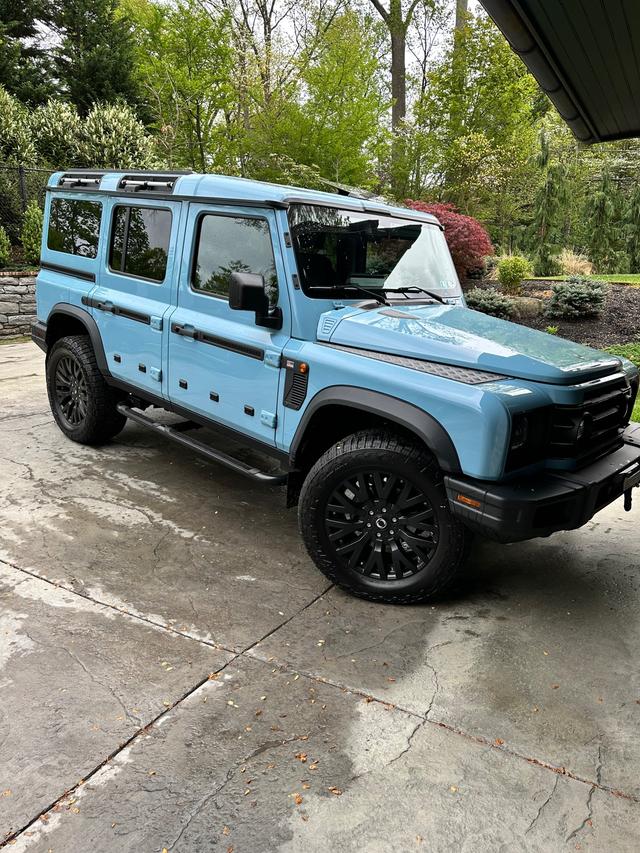
2024 INEOS Grenadier
Base • 3,300 miles
Ardmore, PA
$75,000

2024 INEOS Grenadier
Base • 4,200 miles
Bedford, VA
$74,000
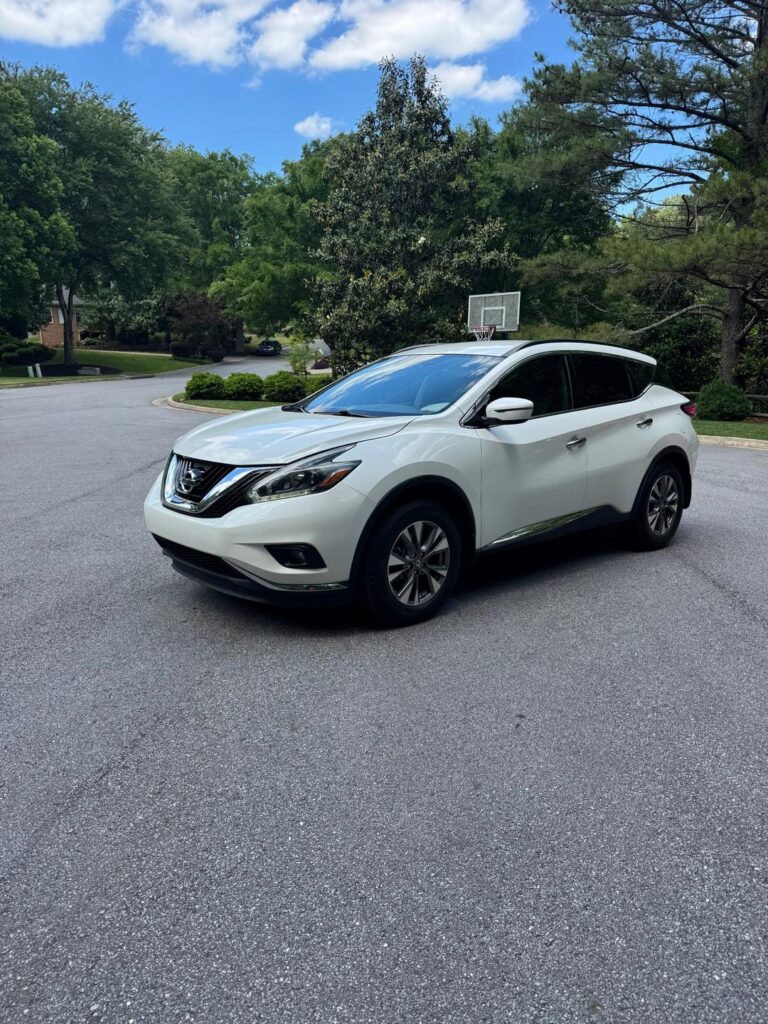
2018 Nissan Murano
Platinum • 78,500 miles
Atlanta, GA
$15,750
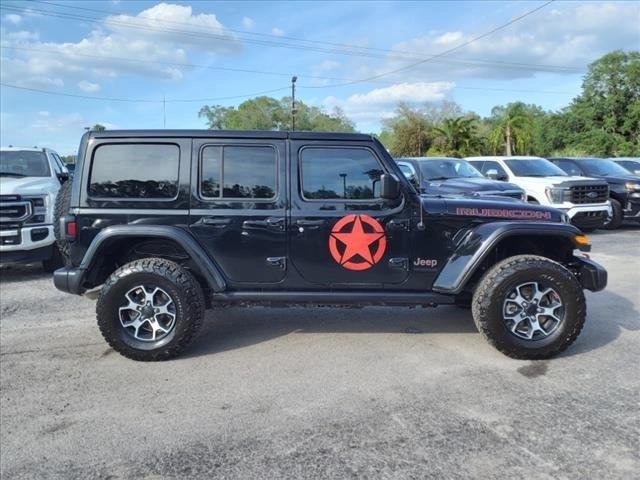
2022 Jeep Wrangler
Unlimited Ru • 41,235 miles
Ormond Beach, FL