

Buying a used car from a private party can be a smart move, but it does take some effort on your part. You’re not just walking into a dealership and hoping for the best. With a private seller, you’ve got to take a few extra steps to protect yourself and make sure the vehicle is actually worth your time and money. One of the most important parts of this process is knowing how and where to start when checking a car. If you skip this, you might end up with a whole list of headaches you didn’t sign up for.
Whether you’re grabbing a flashlight for a quick driveway inspection or taking the car on a test drive, the way you begin matters. Paying attention to the basics both inside and out can help you avoid surprises later. Let’s take a closer look at which areas of the vehicle need your attention right from the start so you’re ready to make a better decision when you buy a used car private party.
Perform an Initial Visual Inspection
Before getting too deep into the features or paperwork, a simple walk-around can tell you a lot about the car’s condition. Pay attention to the little details that might expose bigger issues.
Here’s what you want to look at first:
– Body condition: Check for dents, scratches, or signs of rust. Small flaws might be normal, but large patches of rust or mismatched paint could suggest previous damage or poor repairs.
– Tires: Uneven wear might point to poor alignment or suspension problems. Check the tread depth as well to see if new tires are needed soon.
– Glass and mirrors: Look for cracks in the windshield or side mirrors. These could make driving hazardous and usually need quick fixing.
– Lights: Make sure all headlights, brake lights, and turn signals work as they should. Foggy or cracked light covers can reduce visibility.
– License plate and registration stickers: A missing or expired sticker could raise red flags about the car’s documentation and registration history.
You don’t need to be a car pro to catch signs of neglect. A cracked windshield, mismatched panels, or worn-out tires can all hint that the car hasn’t been well cared for.
Inspect the Interior
Once the exterior checks out, step inside the vehicle and see how it feels. This is where you begin to notice how the car has been used and how comfortable it might be for you.
Start by closing the door and listening to how it shuts. Do the locks and windows work as expected? Now check these areas:
– Seats and upholstery: Look for tears, sagging, and stains. Worn fabric or leather can show heavy use and neglect.
– Dashboard and controls: Turn the key to accessory mode. Confirm that all the warning lights come on briefly, then go off after the engine starts.
– Air conditioning and heat: Test the HVAC system on both hot and cold settings. Weak output or slow response can lead to costly repairs.
– Infotainment and electronics: Turn on the radio, test the Bluetooth connection, and check backup cameras or navigation, if installed. Even older systems should operate without glitches.
– Smell test: If the interior has a strong odor, that could point to mold, past flooding, or a smoker’s car. Smells can be difficult to get rid of.
Even small issues like flickering dashboard lights or a jammed glove compartment can indicate deeper problems or lack of regular upkeep. Comfort, function, and condition should all line up to give you a better sense of the car’s value.
Review the Car’s Mechanical and Engine Condition
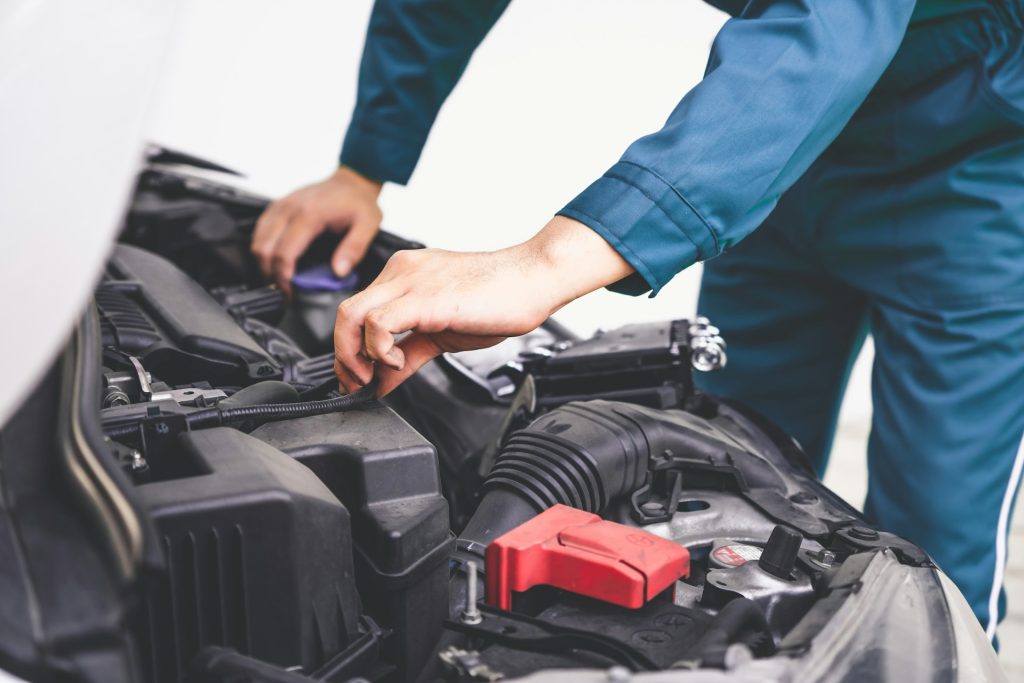
Once the inside of the vehicle meets your expectations, take a look under the hood. You don’t need to be a mechanic to spot some issue areas. A basic inspection will tell you if the engine area looks clean and cared for or if something’s off.
Use this checklist:
– Leaks and corrosion: Look for any puddles under the car and check for oil, coolant, or fluid residue around engine components. Corrosion on battery terminals is a sign the car may have been sitting unused or poorly maintained.
– Belts and hoses: Push gently on belts to make sure they are firm. Examine hoses for soft spots, cracks, or visible wear.
– Unusual sounds: Start the engine and listen closely. Clicking, knocking, or high-pitched whining can be early signs of mechanical trouble.
– Fluid levels: Check the oil dipstick and make sure the oil is clean and at a good level. Brake fluid and coolant should also be inspected. Poor fluid condition can point to missed service intervals.
This part doesn’t need to be complicated. Most of these checks only take a few minutes and give you great insight into how the car was maintained.
Take the Car for a Test Drive
Once you’re finished inspecting the vehicle, it’s time to get behind the wheel. The test drive gives you the best feel for the car’s performance and how comfortable it is to drive. Make sure the seller allows enough time to drive on different types of roads.
Try to include:
– Highway driving: Accelerate to high speeds to see how the car handles merging, lane changes, and general cruising comfort.
– City streets: You’ll want to feel how the car handles stop-and-go traffic and slower speeds.
– Braking: Try stopping at different speeds. The brakes should feel smooth with no grinding sounds or vibration.
– Steering: Make a few turns and lane changes. The steering wheel should respond quickly. Watch for any pulling to one side.
– Suspension: Drive over some bumps or uneven roads. The ride should be stable, not bouncy or noisy.
If the car drives well in different situations and responds the way it should, that’s a great sign it’s been taken care of. Pay attention to any squeaks, rattles, or vibrations that feel off.
Confident Choices Lead to Better Cars
Taking the time to thoroughly inspect a car before buying can save you future stress. From walking around the exterior to getting under the hood and taking it for a spin, each step adds to the full picture of how the car runs and how well it has been maintained.
When you check everything from tire wear to AC output and unusual engine sounds, you stop relying on guesswork. Each part you review helps you make a stronger, more confident decision.
The goal is to avoid unexpected problems after purchase, and there’s no better way to do that than learning what to look for from the start. Even if you’re not an expert, a quick checklist and your own senses can help steer you clear of lemons. Taking a little extra time upfront can mean driving away with something that suits both your budget and your expectations.
Purchasing a vehicle from a private seller can feel like a daunting task, but with the right steps, it can be a rewarding experience. PrivateAuto helps simplify the process so you can focus on the thrill of the drive. If you’re ready to make an informed decision and want to explore our seamless transaction options, learn how to buy a used car through a private party with confidence.
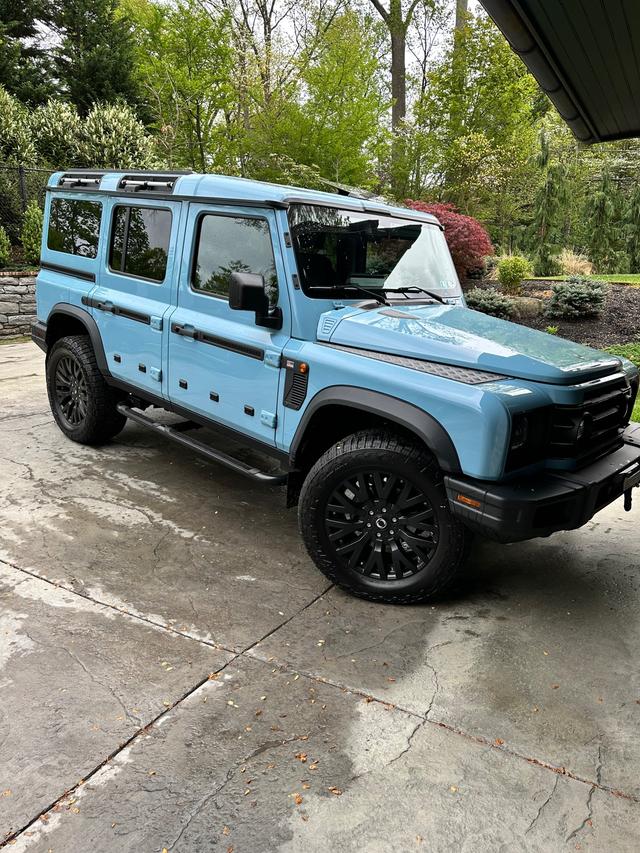
2024 INEOS Grenadier
Base • 3,300 miles
Ardmore, PA
$75,000

2024 INEOS Grenadier
Base • 4,200 miles
Bedford, VA
$74,000
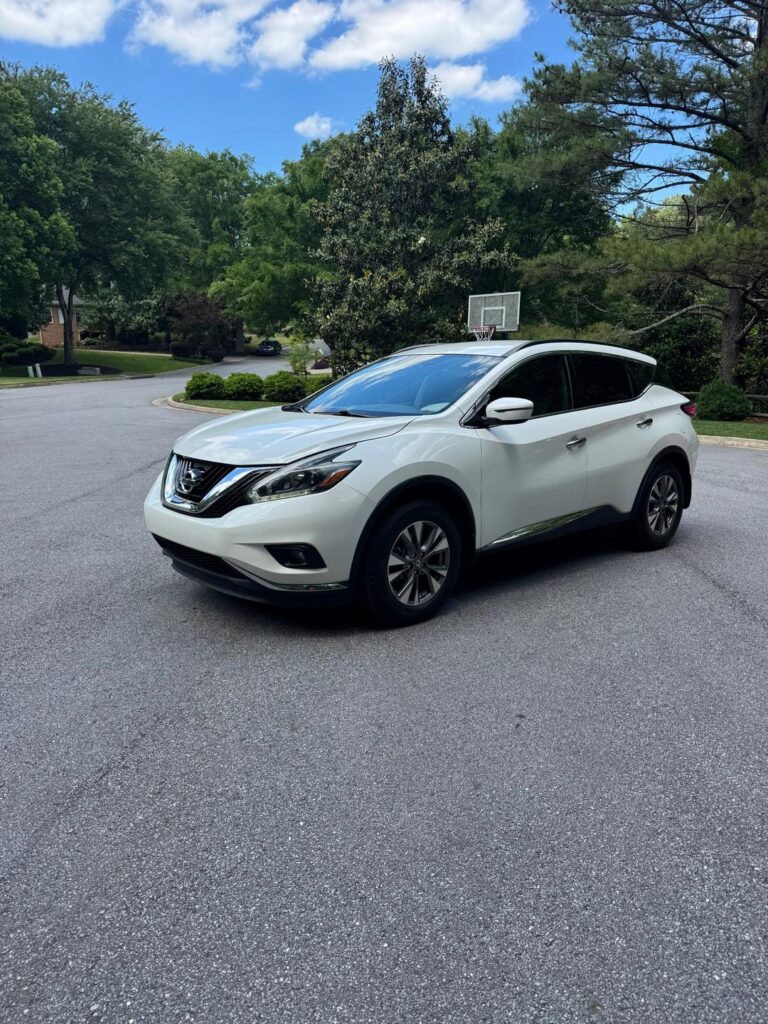
2018 Nissan Murano
Platinum • 78,500 miles
Atlanta, GA
$15,750
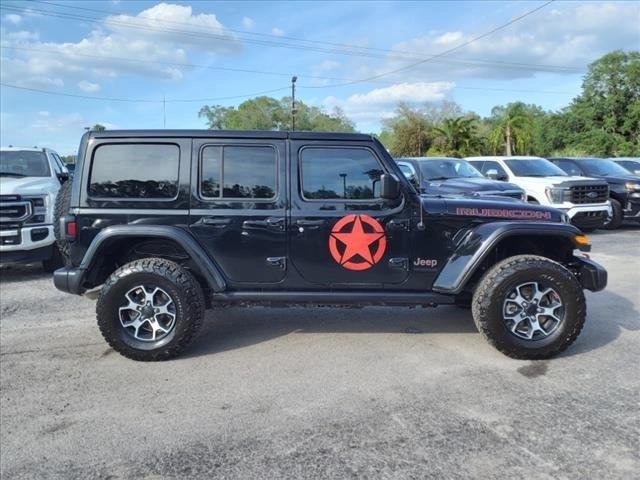
2022 Jeep Wrangler
Unlimited Ru • 41,235 miles
Ormond Beach, FL